
Sun
Yellow dwarf star
- Position
- Centre of the solar system
- Rotation
- 25 days at the equator; 36 at the poles
- Galactic orbit
- About 230 million Earth years around the Milky Way
Approach a world. Follow its sunlight into night. Explore textured surfaces, drifting clouds, and Saturn’s rings in a fully interactive solar system.
Enter the 3D systemSelect a world to approach · drag to orbit · pinch or scroll to zoom
Educational simulation: time is accelerated and sizes and distances are compressed. Select a world for a close approach, then open its story. Surface maps and lighting are visual interpretations, not live observations.
Swipe on mobile, scroll on desktop, or use the controls. Select the Sun, Moon, or any planet to open its full story and essential facts.
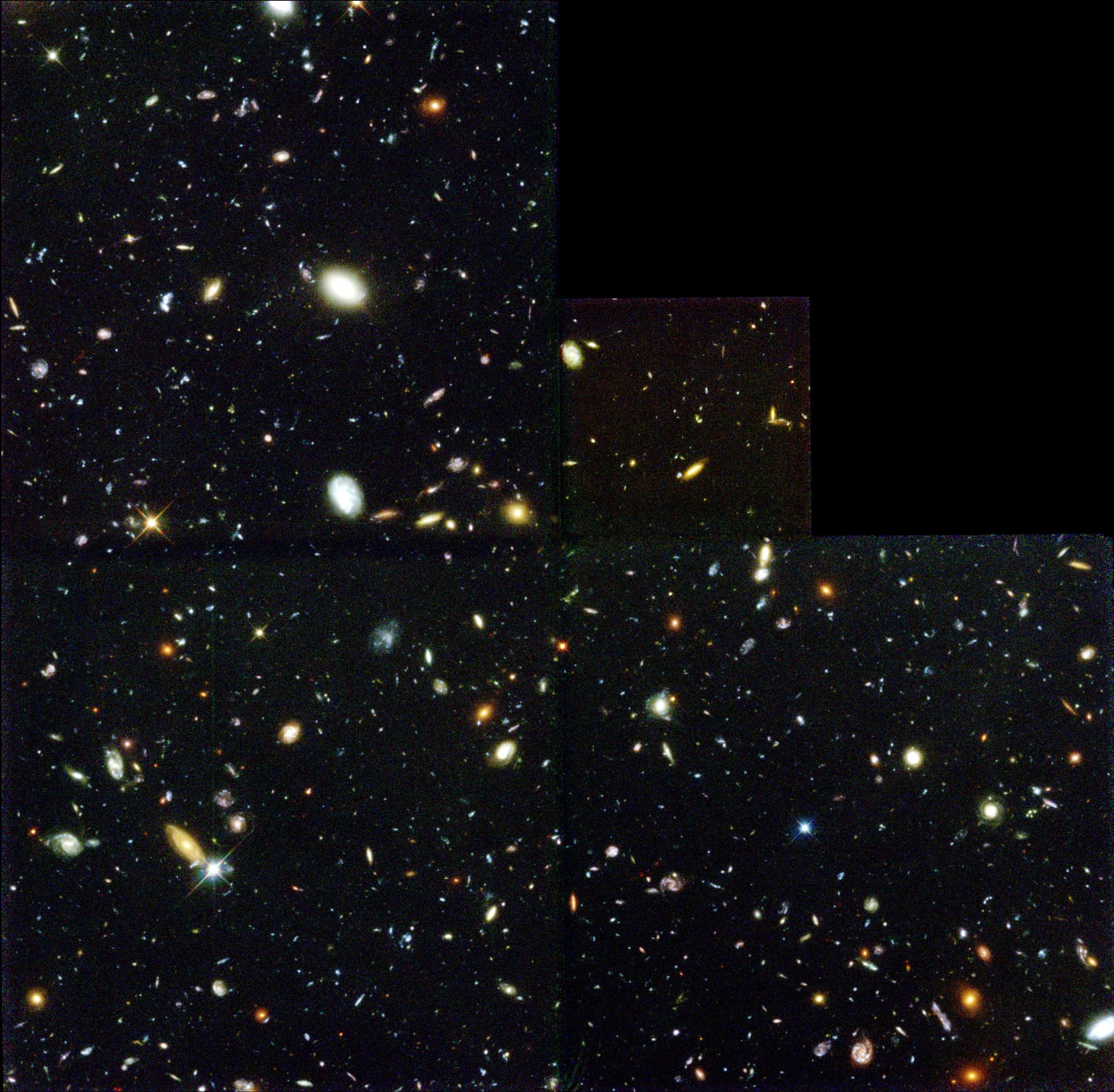
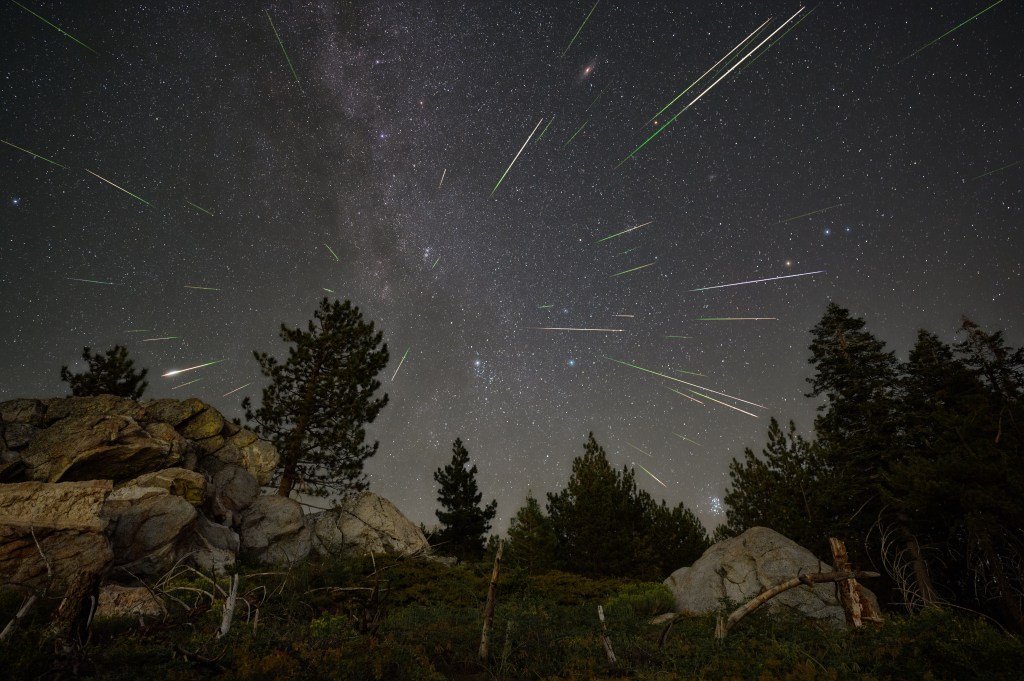
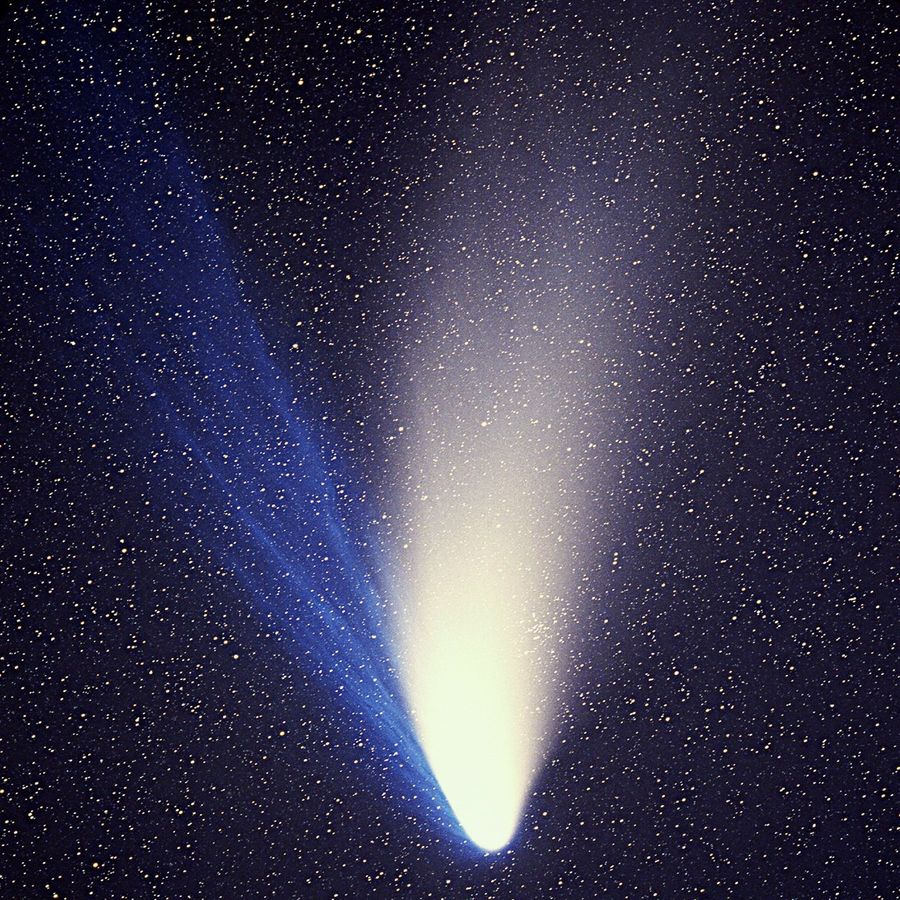
Planet surface maps: Solar System Scope, CC BY 4.0, based on NASA imagery and elevation data, adapted for this view. Earth ocean mask: Dave Pape, NASA/GSFC. Earth terrain: NASA Blue Marble. Moon surface, terrain and phase imagery: NASA Scientific Visualization Studio and Lunar Reconnaissance Orbiter. Space imagery: NASA/ESA Hubble. Meteor image: Preston Dyches/NASA. Comet image: E. Kolmhofer and H. Raab, CC BY-SA 3.0, via NASA.
The Sun anchors the system, the Moon orbits Earth, and eight planets travel around our star. The inner four planets are rocky, while the outer four are giants.
Yellow dwarf star
Terrestrial planet
Terrestrial planet
Terrestrial planet
Natural satellite
Terrestrial planet
Gas giant
Gas giant
Ice giant
Ice giant
Planet classifications and core facts are based on NASA Science. Planet distances are rounded average distances from the Sun; the Moon distance is its rounded average distance from Earth.
Clear answers to the questions people ask most often about our solar system.
There are eight officially recognised planets: Mercury, Venus, Earth, Mars, Jupiter, Saturn, Uranus, and Neptune.
Yes. The Moon is Earth's only natural satellite. It completes one orbit around Earth in about 27.3 days and rotates in the same amount of time, which is why the same side usually faces us.
The International Astronomical Union classified Pluto as a dwarf planet in 2006. It is an important world, but it is not one of the solar system's eight planets.
Venus is the hottest planet, even though Mercury is closer to the Sun. Venus has a dense atmosphere that traps heat through a runaway greenhouse effect.
Jupiter is the largest planet in our solar system. It is about eleven times wider than Earth.
Mercury, Venus, Earth, and Mars are rocky terrestrial planets with solid surfaces. Jupiter and Saturn are gas giants. Uranus and Neptune are ice giants.
Yes. This interactive 3D planet explorer is a sample custom website development project by Market Me Global. We can create a tailored website with 3D visuals, animations, mobile-friendly UX, SEO, and business-specific functionality. Contact Market Me Global to discuss your project and request a custom offer.